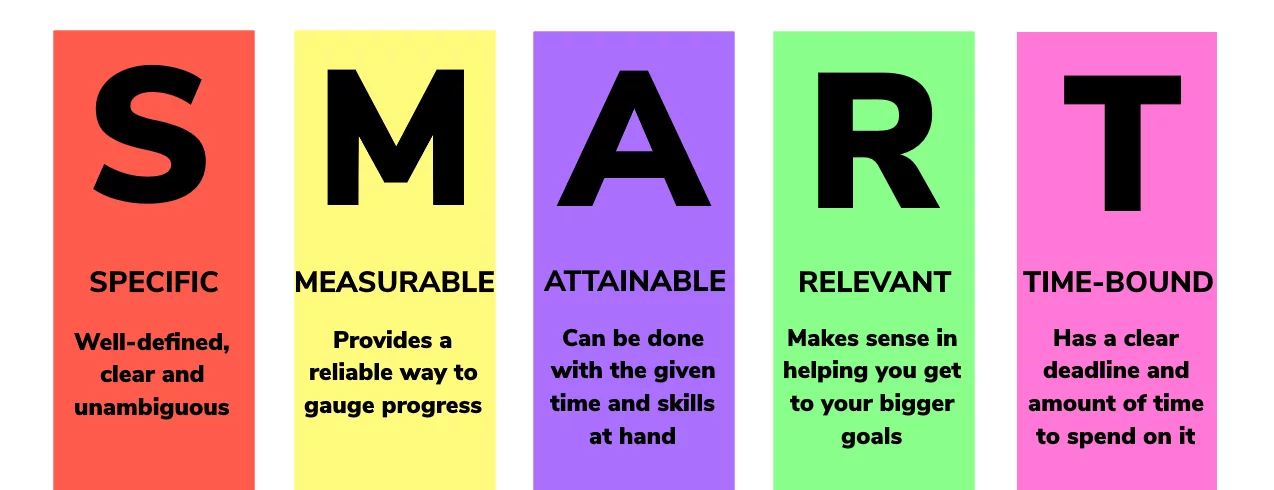
The Psychology of Decision Making: Understanding Your Daily Choices
The process of decision-making is a complex interplay of conscious thought and subconscious influences, shaped by our experiences, emotions, and cognitive biases. Understanding the psychology of decision making sheds light on how we navigate our daily choices, from mundane tasks to significant life decisions. For instance, factors such as anchoring (the tendency to rely heavily on the first piece of information encountered) and availability heuristic (pondering decisions based on immediate examples that come to mind) can significantly alter our choices. By recognizing these psychological influences, we can make more informed decisions that align with our goals and values.
Daily choices are often driven by routines and habits, but the psychological underpinnings can reveal why we choose one path over another. For example, research shows that emotions play a pivotal role in decision-making. According to dual-process theory, our brains operate using two systems: the intuitive, emotional system and the rational, analytical system. While both have their merits, understanding when to engage each can lead to better outcomes. Incorporating mindfulness techniques and reflection can enhance our ability to make conscious choices, leading to improved satisfaction in our everyday lives. By embracing the principles of the psychology of decision making, we empower ourselves to take control of our choices.
Counter-Strike is a popular tactical first-person shooter game that emphasizes teamwork and strategy. Players can choose to be part of either the Terrorist or Counter-Terrorist team, where they engage in various objective-based missions. Whether you are looking to hone your skills or enhance your gaming experience, be sure to check out the Top 10 Travel Tech Essentials that can make your gaming on the go a breeze.
10 Smart Habits to Simplify Your Decision-Making Process
Making decisions can be overwhelming, especially when faced with numerous options. However, adopting some smart habits can help simplify your decision-making process. Start by narrowing your choices; limit the number of options you consider to avoid analysis paralysis. For instance, when choosing a new smartphone, shortlist the top three models that meet your needs instead of browsing through every available option. This approach makes it easier to compare the strengths and weaknesses of your shortlisted choices.
Another effective habit is to establish a decision-making framework. Create a simple checklist that outlines your priorities and values. For example, if you're deciding on a new job, rate each opportunity based on criteria such as salary, work-life balance, and opportunities for growth. By systematically evaluating each option against your established criteria, you can gain clarity and confidence in your decision, leading to more satisfactory outcomes.
Are You Making the Right Choices? Tips to Assess Your Daily Decisions
Making daily decisions can often feel overwhelming, especially in a fast-paced world filled with options and distractions. To ensure you are making the right choices, it's crucial to adopt a systematic approach. Begin by identifying your values and priorities. This will serve as a foundation for your decision-making process. Try asking yourself the following questions:
- What are my long-term goals?
- How does this choice align with my core values?
- What are the potential consequences of this decision?
By reflecting on these questions, you can gain clarity and confidence in your daily choices, ultimately leading to more consistent and positive outcomes.
Another effective strategy is to implement a decision-making framework. One popular method is the SWOT analysis, which assesses the Strengths, Weaknesses, Opportunities, and Threats related to your choices. By analyzing these components, you can make informed decisions that not only reflect your personal and professional ambitions but also mitigate potential risks. Additionally, don’t hesitate to seek advice from trusted individuals. Sometimes, discussing your options with others can provide new perspectives that enhance your own judgment.