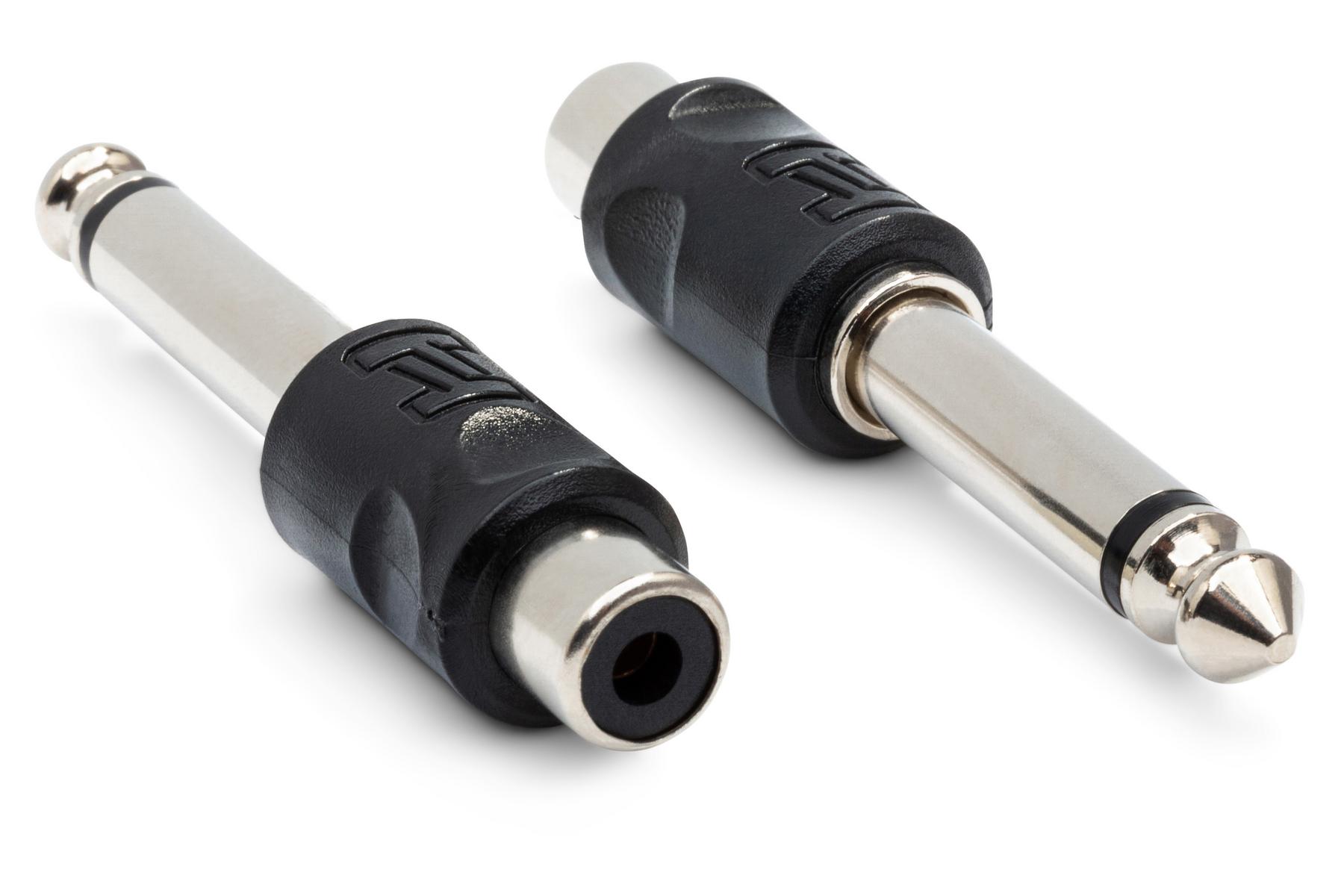
Understanding Adapters: How They Facilitate Seamless Connectivity
Adapters play a crucial role in today’s digital ecosystem by enabling seamless connectivity between various devices and systems. In a world where technology constantly evolves, understanding adapters is essential for effective communication between different hardware and software components. From USB to HDMI, these small yet powerful tools bridge the gap between incompatible formats, allowing users to connect everything from smartphones to high-definition televisions effortlessly. Without adapters, we would face significant hurdles in our daily tech interactions, as not all devices share the same interface or compatibility standards.
Moreover, the functionality of adapters extends beyond mere connection; they enhance the user experience by providing the necessary support for data transfer and power delivery. For example, a USB-C adapter can allow a user to connect a traditional USB device to a new laptop, facilitating a smooth workflow without interruptions. Understanding how adapters work can help consumers choose the right tools for their needs, maximizing the potential of their devices. As technology continues to advance, staying informed about the latest adapter features and innovations will empower users to leverage connectivity in their personal and professional lives.
Counter-Strike is a highly popular tactical first-person shooter game that has become a staple in esports. Players are divided into two teams, terrorists and counter-terrorists, and engage in various objective-based game modes. For gamers who are always on the move, check out these Top 10 travel tech accessories to enhance your gaming experience wherever you go.
The Different Types of Adapters: Which One Do You Need?
When it comes to connecting various devices, there are several types of adapters that cater to a multitude of needs. Some common types include:
- HDMI Adapters: Ideal for connecting high-definition devices like TVs, projectors, and gaming consoles.
- USB Adapters: These facilitate connections between USB devices and other connectivity ports, including USB-C, micro, and standard USB.
- Audio Adapters: Useful for connecting headphones or speakers to different audio outputs, including 3.5mm jacks and Bluetooth.
- Power Adapters: Essential for providing the correct voltage and current to your electronic devices.
Choosing the right adapter is crucial for ensuring compatibility and optimal performance of your devices. Consider the following factors:
- Device Compatibility: Always check if the adapter is compatible with your devices.
- Specifications: Look at the specifications such as data transfer speed or video resolution supported by the adapter.
- Quality: Investing in high-quality adapters can prevent issues like overheating and connectivity failures.
By understanding the different types of adapters available, you can make an informed decision that best suits your technological needs.
Common Questions About Adapters: What Connects What?
When it comes to technology, adapters play a crucial role in connecting various devices and ensuring compatibility. Common questions arise regarding what types of connections exist and how they function. For instance, many users wonder which adapter is suitable for their needs. Below are some frequently asked questions:
- What is the difference between HDMI and VGA adapters?
- Can a USB-C adapter connect to a DisplayPort?
- How do I choose the right audio adapter for my headphones?
Understanding adapters is essential for optimizing your technology experience. Many people seek to resolve issues related to connection quality and device interoperability. It often leads to the question: What connects what? The answer lies in the specifications of the devices and the capabilities of the adapter. For example, a simple HDMI to VGA adapter can convert a digital signal to an analog one, effectively allowing you to connect modern laptops to older projectors. Knowing your requirements and the capabilities of your adapters can significantly enhance your user experience.