From Bare Metal to Cloud Clusters: Choosing the Right Foundation for Your AI Training World (Explainer & Practical Tips)
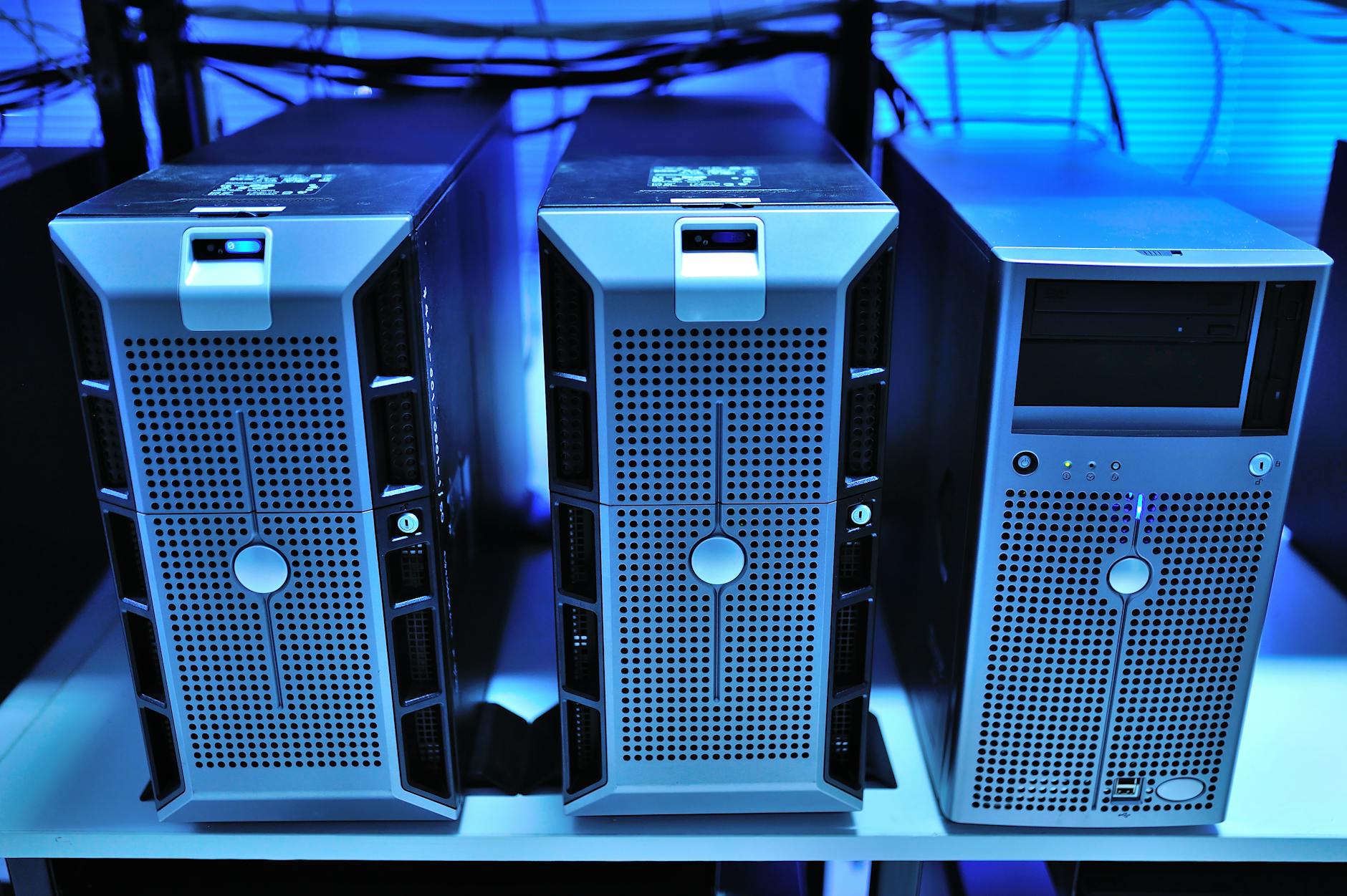
The foundational infrastructure for your AI training is not a one-size-fits-all solution; it’s a critical decision impacting performance, cost, and scalability. When considering options, the spectrum ranges from bare metal servers, offering unparalleled control and direct access to hardware for maximum performance, to highly abstracted cloud clusters, providing flexibility and rapid deployment. Bare metal is often favored for deeply customized, resource-intensive AI models where every millisecond of latency and every computational cycle counts, or for organizations with stringent security and data sovereignty requirements. However, it demands significant upfront investment in hardware, ongoing maintenance, and specialized IT expertise. Understanding your specific AI workloads, budget constraints, and operational capabilities is paramount before committing to either end of this infrastructure spectrum.
Navigating this choice requires a practical approach, weighing the advantages and disadvantages of each. For instance, if your AI research involves constantly evolving model architectures and fluctuating computational demands, a cloud-based approach with its elastic scaling and pay-as-you-go model might be ideal. Cloud providers offer managed services like Kubernetes and specialized GPU instances, simplifying infrastructure management and allowing your team to focus on model development. Conversely, for stable, long-running AI training jobs with predictable resource needs, investing in bare metal could yield lower long-term operational costs and superior performance. Consider these practical tips:
- Evaluate current and future workload predictability: Will your compute needs spike or remain consistent?
- Assess your team's expertise: Do you have the in-house skills to manage bare metal, or would a managed cloud service be more efficient?
- Factor in regulatory compliance: Certain industries may necessitate on-premises (bare metal) solutions for data residency.
- Perform a total cost of ownership (TCO) analysis: Include hardware, software licenses, personnel, and energy costs for both options.
Leverage the power of a seo data api to programmatically gather crucial information about search engine rankings, keyword performance, and competitor analysis. This allows businesses and developers to integrate real-time SEO insights directly into their applications and workflows, enabling data-driven optimization strategies.