Understanding MCP Servers: From AI Theory to Practical Application (Common Questions & Explanations)
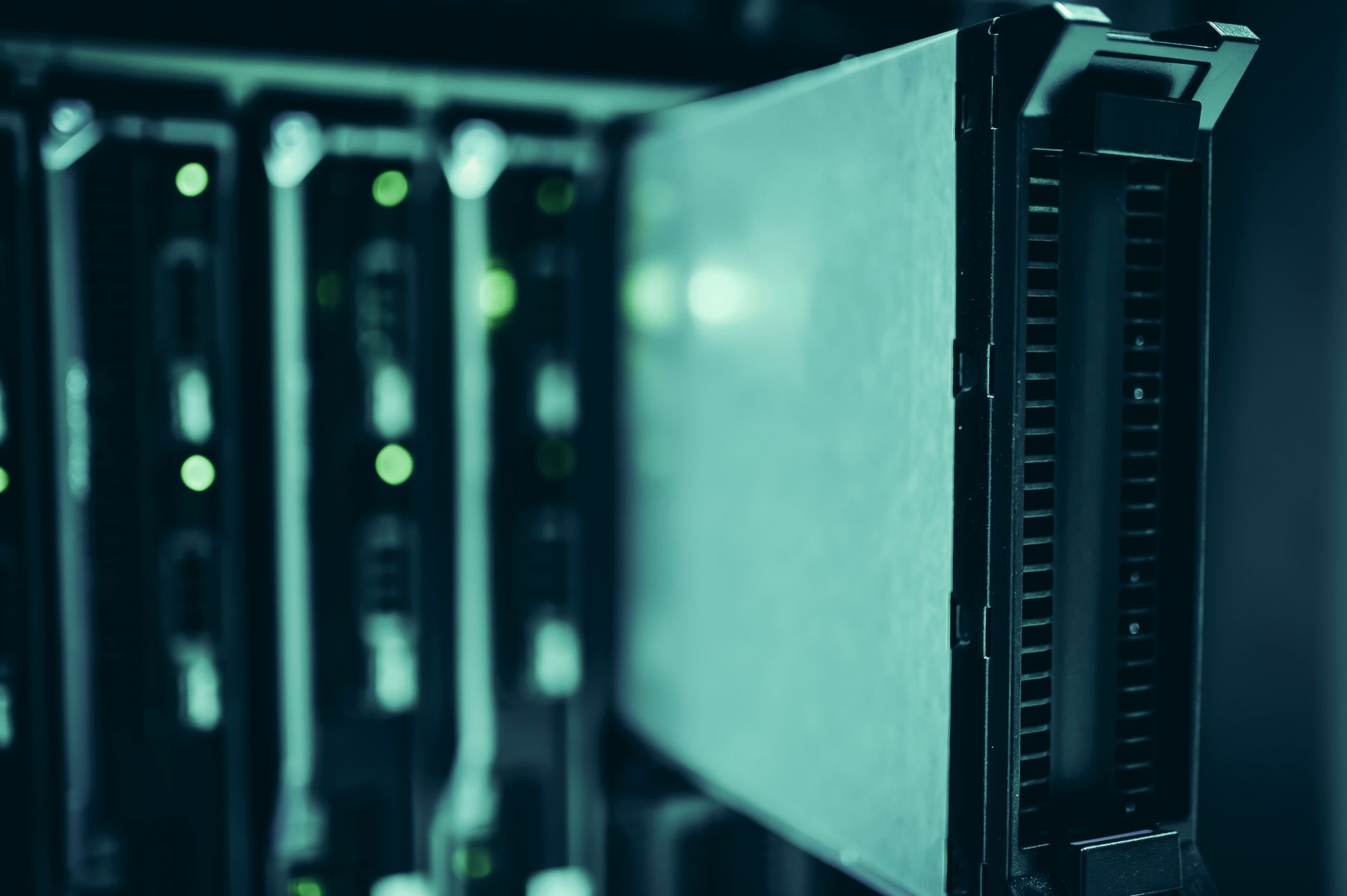
When delving into the realm of MCP (Massive Computational Power) Servers, it's natural to encounter a blend of theoretical AI concepts and their tangible, real-world implementations. Often, the first question revolves around *what* exactly constitutes an MCP server, distinguishing it from standard high-performance computing (HPC) clusters. Fundamentally, MCP servers are architected to handle truly unprecedented scales of data processing and complex algorithmic execution, frequently leveraging specialized hardware like GPUs, FPGAs, and custom ASICs far beyond typical data center configurations. This allows them to tackle problems that would be intractable for conventional systems, particularly in areas like deep learning model training, intricate simulations, and real-time big data analytics. The theoretical underpinnings often trace back to parallel processing paradigms and distributed AI architectures, where the challenge isn't just raw speed, but efficient communication and resource orchestration across thousands, if not millions, of processing units. Understanding this distinction is key to appreciating their role in advancing modern AI.
Practical application of MCP servers brings forth a new set of inquiries, moving beyond the theoretical 'what' to the operational 'how' and 'why'. Common questions include:
- How are such massive systems managed and cooled?
- What programming models are most effective for leveraging their power?
- What are the typical use cases where MCP servers truly shine?
The essence of MCP server utility lies in their ability to compress months or years of computational work into days or hours, fundamentally changing research timelines and product development cycles.This practical impact underscores their critical role in pushing the boundaries of what's computationally possible.
Maximizing Your AI Agent's Learning: Practical Tips & Tricks with MCP Servers (Building & Troubleshooting)
To truly maximize your AI agent's learning capabilities, especially within complex environments, understanding and leveraging MCP (Minecraft Coder Pack) servers becomes critical. These aren't just for gaming; they provide highly customizable, scriptable, and observable environments perfect for training and evaluating AI. Imagine an AI learning to navigate intricate mazes, solve resource management puzzles, or even engage in strategic combat – all within a controlled, repeatable MCP server instance. The beauty lies in the ability to
- precisely define environmental parameters,
- inject custom events,
- and log every action and observation.
Building and troubleshooting these MCP server environments for AI training requires a methodical approach. When building, consider your AI's specific learning objectives. Are you focused on pathfinding? Then a server with diverse terrains and obstacles is key. For resource gathering, ensure a rich, replenishable environment.
"A well-designed training environment is half the battle won in AI development."Troubleshooting often involves scrutinizing server logs for errors, analyzing AI behavior against expected outcomes, and systematically isolating variables. Common issues include plugin conflicts, incorrect configuration files, or resource limitations impacting server performance. By mastering both the setup and debugging of MCP servers, you create an unparalleled sandbox for your AI, allowing it to iterate through complex learning cycles efficiently and effectively, ultimately accelerating its development into a highly capable agent.