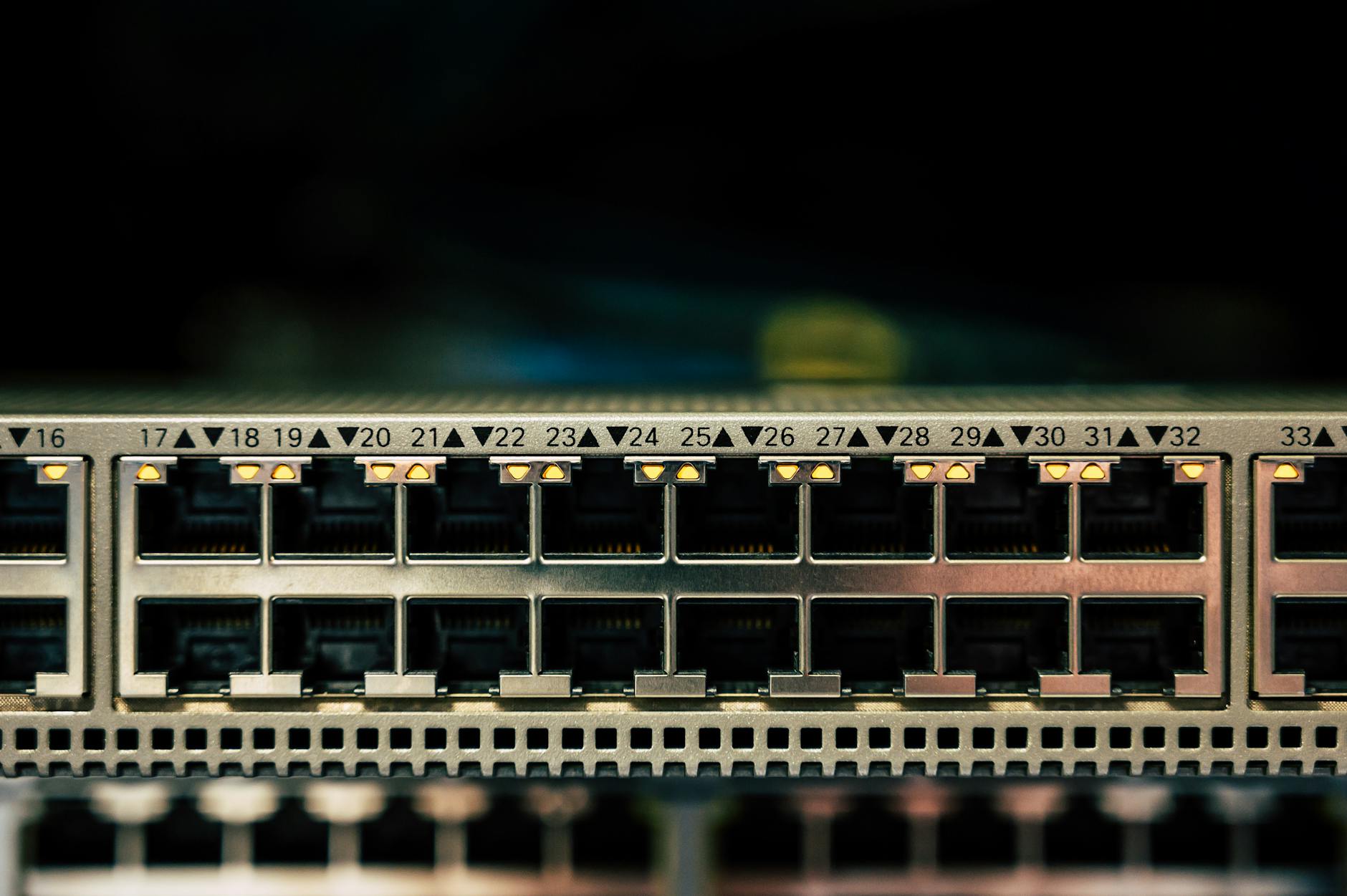
Understanding MCP Servers: Explaining the AI Agent's Collaborative Hub (What They Are, Why They Matter, and Common Misconceptions)
MCP servers, or Multi-Agent Communication Protocol servers, serve as the crucial collaborative hubs for AI agents, facilitating their ability to work together effectively. Far from simple data repositories, these servers are sophisticated environments that enable complex interactions, information sharing, and task delegation among a network of AI entities. Think of them as the digital equivalent of a bustling office, where various team members (AI agents) communicate, share updates, and coordinate their efforts to achieve a common goal. This shared communication space is vital for advanced AI applications, particularly in fields like autonomous systems, large-scale data analysis, and simulated environments, where individual agents must frequently update each other on their progress, discoveries, or changing environmental conditions. Understanding their role is fundamental to appreciating the capabilities of modern, distributed AI systems.
The significance of MCP servers extends beyond mere communication; they are the bedrock upon which truly collaborative and intelligent AI systems are built. Without them, agents would operate in isolated silos, unable to leverage the collective intelligence or specialized skills of others, severely limiting their problem-solving capacity. Common misconceptions include viewing them as just another cloud server or a database; in reality, they incorporate complex protocols for:
- Agent registration and discovery
- Message queuing and delivery
- Conflict resolution mechanisms
- Dynamic resource allocation
A web scraper API simplifies the process of extracting data from websites by providing a programmatic interface to initiate scraping tasks and retrieve structured results. Instead of building and maintaining your own scraping infrastructure, you can integrate with an API to handle proxies, CAPTCHAs, and website structure changes, allowing you to focus on utilizing the collected data.
Navigating MCP Servers: Practical Tips for AI-Powered Collaboration and Troubleshooting FAQs (Setup Guides, Workflow Enhancements, and Common Issues)
Effectively navigating MCP (Microsoft Collaboration Platform) servers is crucial for modern AI-powered teams, demanding a blend of technical acumen and strategic workflow optimization. This section dives into practical tips for leveraging MCP environments to their fullest potential, fostering seamless AI collaboration and proactive troubleshooting. We'll explore robust setup guides, ensuring your AI models and development environments are configured for optimal performance and secure data exchange within the MCP ecosystem. Key considerations include:
- Resource allocation: Optimizing CPU, GPU, and memory for intensive AI workloads.
- Network configuration: Ensuring low-latency access for real-time model interaction.
- Security protocols: Implementing best practices for data privacy and access control.
Beyond initial setup, enhancing workflows and addressing common issues are paramount for sustained AI productivity on MCP servers. This involves implementing strategies for streamlined data ingestion and model deployment, often through automated scripts and integrated CI/CD pipelines within Azure DevOps or similar platforms. We’ll also delve into frequently asked questions regarding troubleshooting, from diagnosing connectivity problems to resolving dependency conflicts that frequently plague AI environments. Expect practical advice on utilizing MCP's built-in monitoring tools and logging features to quickly identify and rectify bottlenecks. Furthermore, we'll discuss best practices for version control of AI models and datasets, ensuring reproducibility and collaborative development. By proactively tackling these challenges, teams can minimize downtime and maximize the innovative potential of their AI initiatives within the MCP framework.