The Science Behind Wireless Charging: How It Works Explained
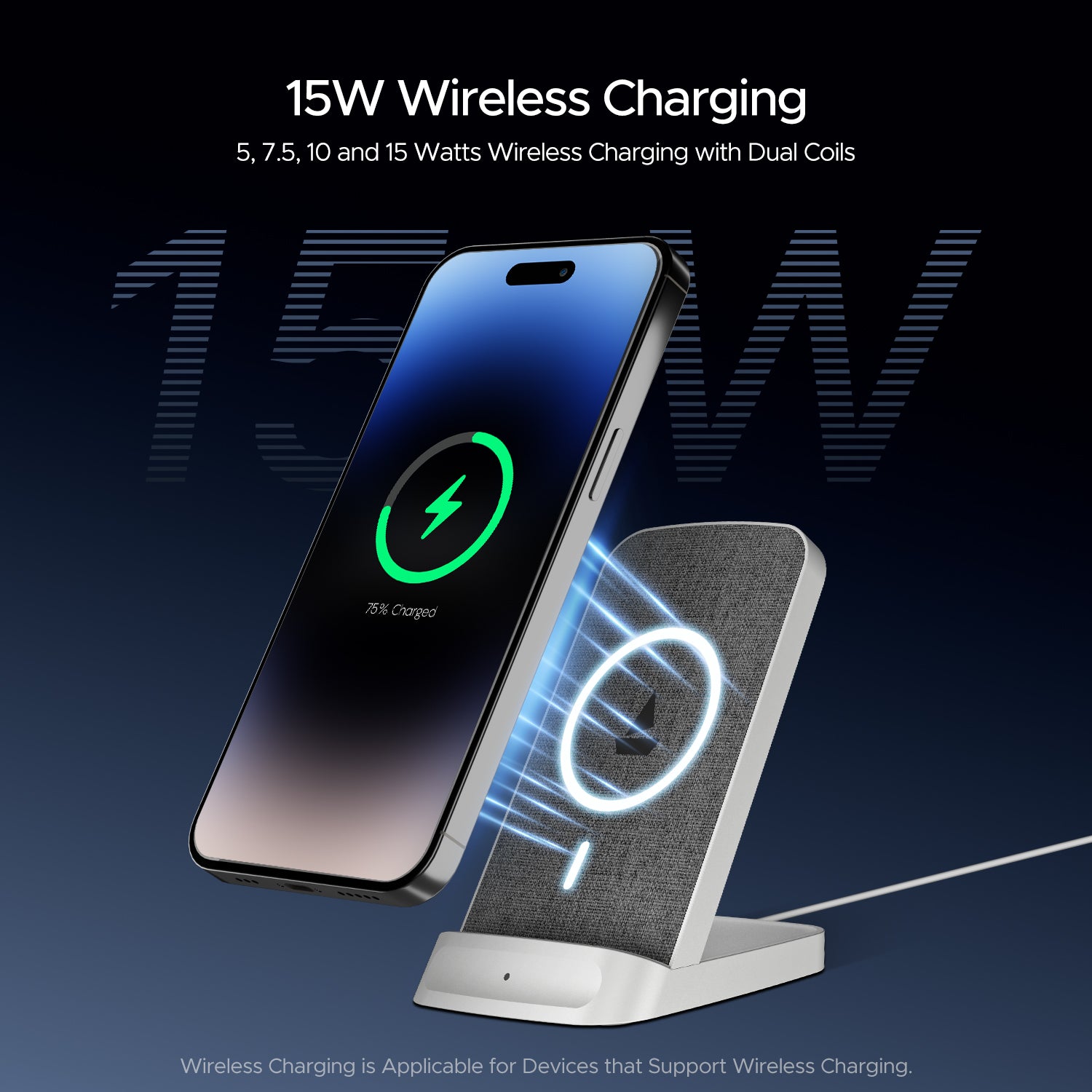
The concept of wireless charging revolves around the principles of electromagnetic induction. This technology employs an electromagnetic field to transfer energy between two objects. Primarily, it involves a charger and a device, such as a smartphone or electric vehicle. The charging pad contains a coil that generates an alternating electromagnetic field, while the device has a corresponding coil that receives this energy. When aligned properly, the coils create a flow of energy, which is then converted back into electrical current to charge the device's battery.
One of the key advantages of wireless charging is its convenience; users simply place their devices on the charging pad without the hassle of plugging in cables. Furthermore, wireless charging technologies are advancing, with standards like Qi being widely adopted. This ensures compatibility across a range of devices. However, it is essential to note that while wireless charging offers ease of use, it may also be less efficient than traditional wired charging methods, leading to longer charging times. Nevertheless, ongoing innovations continue to improve speed and efficiency, making wireless charging a viable option for modern technology.
Counter-Strike is a highly popular multiplayer first-person shooter that has captivated gamers since its inception. Players engage in team-based gameplay, choosing to fight as either terrorists or counter-terrorists, utilizing a variety of weapons and tactics. For those looking to enhance their gaming experience, check out the Top 10 iPhone 17 Pro Max accessories to elevate your performance and enjoyment while playing.
Top 5 Benefits of Wireless Charging: Ditching the Cords
Wireless charging has revolutionized the way we power our devices, offering users a seamless and efficient solution to keep their gadgets charged without the hassle of dealing with cords. One of the most significant benefits is convenience; users can simply place their device on a charging pad, eliminating the need to fumble with plugs and cables. This feature is especially beneficial for those who are constantly on the go, allowing for quick and easy charging at work, home, or even in the car.
Another advantage is reduced wear and tear on charging ports. Frequent plugging and unplugging can lead to damaged ports and cables, which may necessitate costly repairs. With wireless charging, devices are protected from physical damage, increasing their longevity. Additionally, many wireless chargers are designed with safety features, such as overheat protection and foreign object detection, further enhancing user safety and device security. Embracing wireless technology not only simplifies charging but also contributes to a more organized and clutter-free environment.
Is Wireless Charging the Future? Answering Your Top Questions
The rapid advancement of technology has sparked a significant interest in wireless charging as a potential future standard for powering devices. Many consumers are already familiar with the convenience of this technology, which eliminates the need for cumbersome cables and connectors. As we delve into whether wireless charging is truly the future, it's important to consider aspects such as efficiency, compatibility, and the evolving landscape of consumer electronics. Some key questions arise:
- Is wireless charging efficient enough for daily use?
- What devices currently support this technology?
- How does it compare to traditional wired charging methods?
Despite some concerns, wireless charging technology is gaining traction and being integrated into an increasing number of devices, such as smartphones, smartwatches, and even electric vehicles. As manufacturers continue to innovate, improvements in wireless charging speeds and standards—such as Qi and PMA—are making it more appealing to consumers. Looking towards the future, we can expect to see wireless charging become more ubiquitous, with the potential for public charging stations and even wireless charging pads built into various public surfaces. As we explore this evolving trend, it’s essential to stay informed and consider how it may change the way we power our everyday devices.