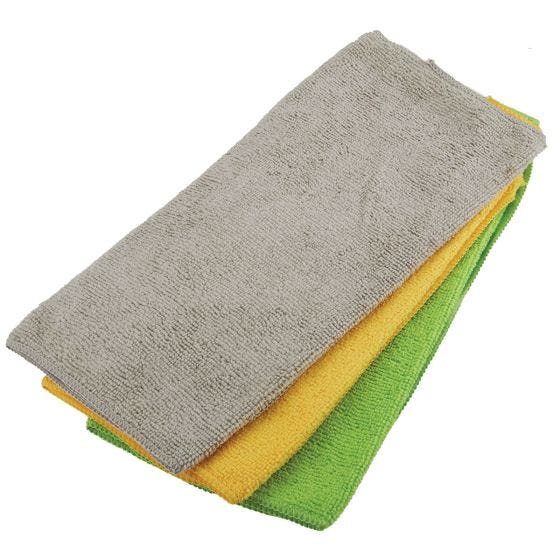
The Science Behind Microfiber: How It Cleans Like No Other Material
Microfiber is a revolutionary cleaning material that outperforms traditional cleaning fabrics, thanks to its innovative structure. Unlike regular cloth fibers, which are typically made from cotton or polyester, microfiber is composed of countless tiny strands, each measuring less than one denier in diameter. This microscopic size allows it to penetrate small crevices and attract dirt, dust, and grime more effectively. In fact, the unique split fibers of microfiber create millions of cleaning edges, which work in unison to lift and trap particles without the use of harsh chemicals. This not only makes microfiber an eco-friendly choice but also enhances its cleaning power.
Moreover, the science behind microfiber extends beyond its physical properties. When used in cleaning applications, microfiber cloths can hold up to seven times their weight in water, making them incredibly efficient for both wet and dry cleaning. The combination of high absorbency and the ability to hold onto dirt means that less time is spent on cleaning, and less waste is produced. Furthermore, studies have shown that microfiber can remove up to 99% of bacteria from surfaces when used dry, demonstrating its superior efficacy compared to conventional materials. It's no wonder that microfiber has become the go-to material in homes and commercial cleaning operations alike.
Counter-Strike is a highly popular first-person shooter game that emphasizes team-based strategy and skill. Players can assume the roles of terrorists or counter-terrorists in various game modes, completing objectives while engaging in combat. For those interested in maintaining their gear, check out the Top 10 apple vision pro cleaning kits to keep your devices in top condition.
10 Reasons Why Microfiber Should Be Your Go-To Cleaning Tool
Microfiber cloths are revolutionizing the way we clean our homes. One of the main reasons why they should be your go-to cleaning tool is their exceptional ability to trap dirt and dust. Unlike traditional cleaning cloths, microfiber has a unique structure that allows it to capture and hold particles effectively. Here are ten compelling reasons to consider switching to microfiber:
- Highly Absorbent: Microfiber can absorb up to seven times its weight in liquid, making it perfect for spills and cleaning surfaces.
- Durable: With proper care, microfiber cloths can last for years, reducing waste and saving you money over time.
- Eco-Friendly: They often require less cleaning solution, minimizing chemical use and environmental impact.
- Versatile: Microfiber can be used on a variety of surfaces, from kitchen counters to windows, without causing scratches.
- Machine Washable: Simply toss them in the washing machine for easy cleaning, ensuring they stay hygienic.
- Lint-Free: Microfiber leaves no lint behind, making it ideal for polishing and shining surfaces.
- Reducing Allergens: Their electrostatic properties help capture allergens, improving indoor air quality.
- Quick Drying: Microfiber dries faster than cotton, preventing the growth of bacteria.
- Lightweight: Easy to handle and maneuver, making your cleaning tasks quicker and more efficient.
- Cost-Effective: With their longevity and effectiveness, they are a smart investment for any cleaning routine.
How to Choose the Right Microfiber Cloth for Every Surface in Your Home
Choosing the right microfiber cloth is essential for effective cleaning around your home. Microfiber cloths have varying textures and densities, making them suitable for different surfaces. For example, fine-pile microfiber cloths are perfect for delicate surfaces like eyeglasses or screens, while medium-pile cloths are great for general dusting and wiping down surfaces. When selecting a cloth, consider the surface you'll be cleaning:
- Glass and Mirrors: Use a non-abrasive, fine-pile cloth for streak-free shine.
- Wood Surfaces: Opt for a medium-pile microfiber cloth that can lift dirt without scratching.
- Bathroom Fixtures: A scrubbing cloth with a coarse texture can help tackle tough soap scum.
Another factor to consider when choosing microfiber cloths is the color-coding system. Many cleaning professionals recommend using different-colored cloths for different areas of your home to avoid cross-contamination. For instance, designate blue cloths for kitchen surfaces, green ones for bathrooms, and yellow cloths for dusting. This not only helps you stay organized but also ensures sanitary cleaning practices. Additionally, always check the care instructions; most microfiber cloths are machine washable, but avoiding fabric softeners will maintain their effectiveness:
- Use hot water for washing.
- Avoid bleach and softeners.
- Air dry or tumble dry on low.