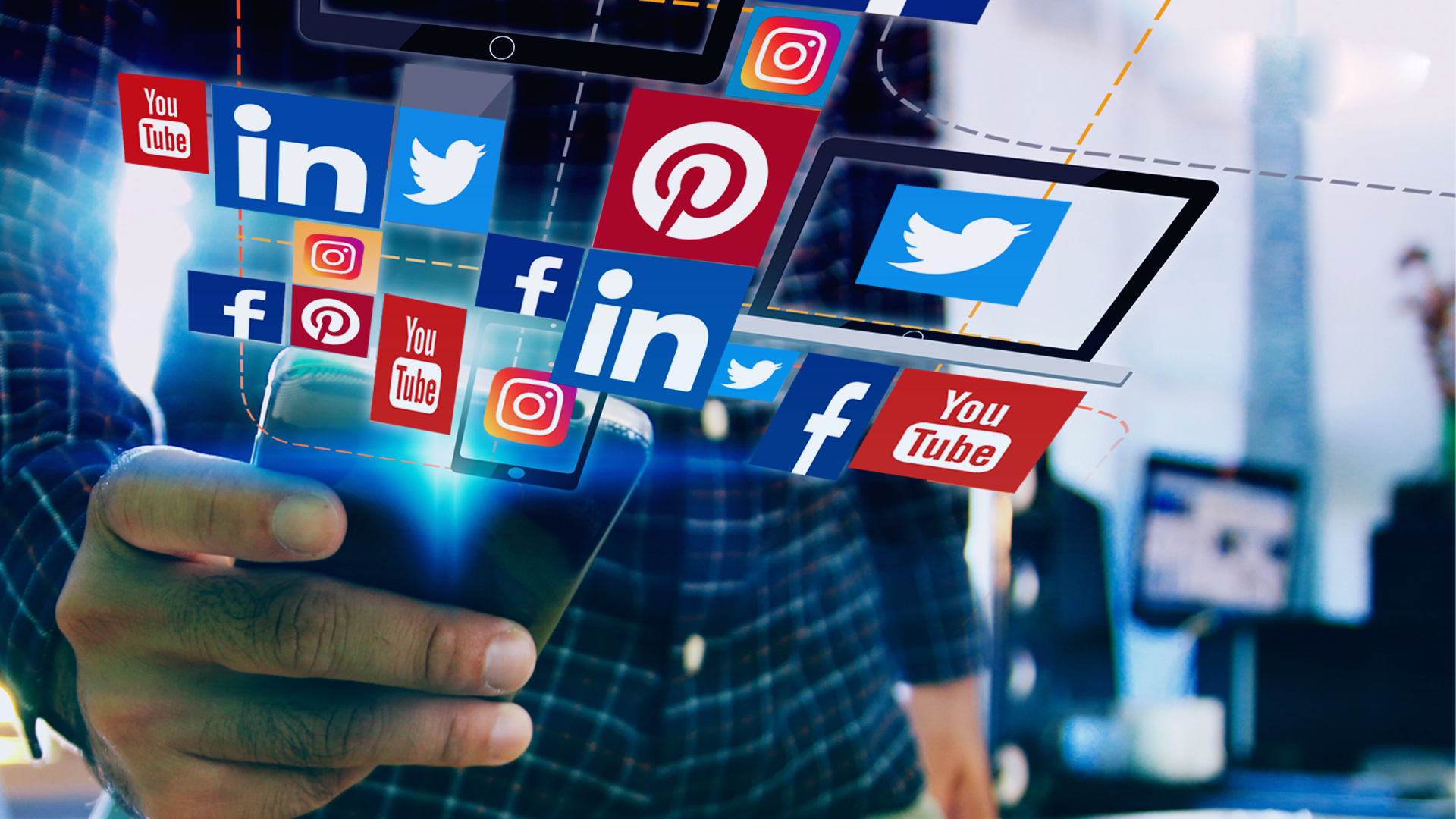
The Impact of Social Media Algorithms on Public Perception
Social media algorithms have transformed the way information is disseminated and consumed, significantly shaping public perception. These algorithms prioritize content based on user engagement, often leading to the amplification of sensational or controversial posts. As users scroll through their feeds, they are primarily exposed to content that aligns with their existing beliefs and preferences, a phenomenon known as the filter bubble. This selective exposure can create an environment where diverse viewpoints are underrepresented, reinforcing echo chambers that limit critical thinking and honest discourse.
The impact of social media algorithms extends beyond individual user experiences; it influences broader societal narratives and public sentiment. For instance, during major events or crises, algorithm-driven content can sway public opinion rapidly, as highlighted by studies demonstrating the role of social media in shaping perceptions of political candidates or movements. Furthermore, misinformation can spread more easily when algorithmic preferences favor engaging but misleading content over accurate reporting. Recognizing this influence is crucial for users and policymakers alike to understand and mitigate the implications of algorithm-driven media consumption on public perception.
Counter-Strike is a popular first-person shooter game that has amassed a massive following since its inception. Players engage in thrilling tactical gameplay, where they can choose to be part of the counter-terrorist or terrorist teams. In addition to gaming, many players enhance their experience with various gadgets, such as those found in the Top 10 apple tv accessories. With constant updates and competitive tournaments, Counter-Strike remains a staple in the esports community.
Decoding Clickbait: How Sensationalism Distorts Reality
In the age of digital media, clickbait has become a prevalent tactic used by many content creators to attract attention and increase traffic. Headlines designed to provoke curiosity often sensationalize or exaggerate the actual content, leading readers to feel misled or disillusioned. This strategy not only distorts reality but can also diminish trust in media sources, as audiences become increasingly aware of the disparity between the captivating title and the information provided.
Furthermore, the reliance on sensationalism has broader implications for public perception and discourse. When individuals consume information that prioritizes shock value over substance, it can skew their understanding of critical issues, leading to misinformation and polarized opinions. Ultimately, decoding clickbait and recognizing its effects can empower readers to seek out more reliable sources and foster a healthier media environment, where information is valued for its accuracy rather than its ability to merely attract clicks.
Is Noise Pollution Altering Our Mental Landscape?
Noise pollution has become a pervasive issue in modern urban life, fundamentally altering our mental landscape. With the constant cacophony of traffic, construction, and public spaces, our brains find it increasingly difficult to focus and relax. Studies have shown that exposure to high levels of noise can lead to increased stress, anxiety, and even depression. This relentless auditory assault not only disrupts our concentration but also affects our overall well-being. As we navigate through our daily lives, the impacts of noise pollution resonate deeply, shaping our mental state and influencing our emotional responses.
Research suggests that individuals living in high-noise environments may experience diminished cognitive function and an increased risk of mental health disorders. The World Health Organization has classified noise pollution as a significant environmental risk to health, urging communities to take action. To combat these effects, many experts recommend incorporating regular periods of quiet into our routines, whether through mindfulness practices, nature immersion, or simply finding a peaceful space to unwind. By acknowledging the profound effects of noise pollution on our mental landscape, we can take conscious steps towards fostering a healthier, more tranquil living environment.