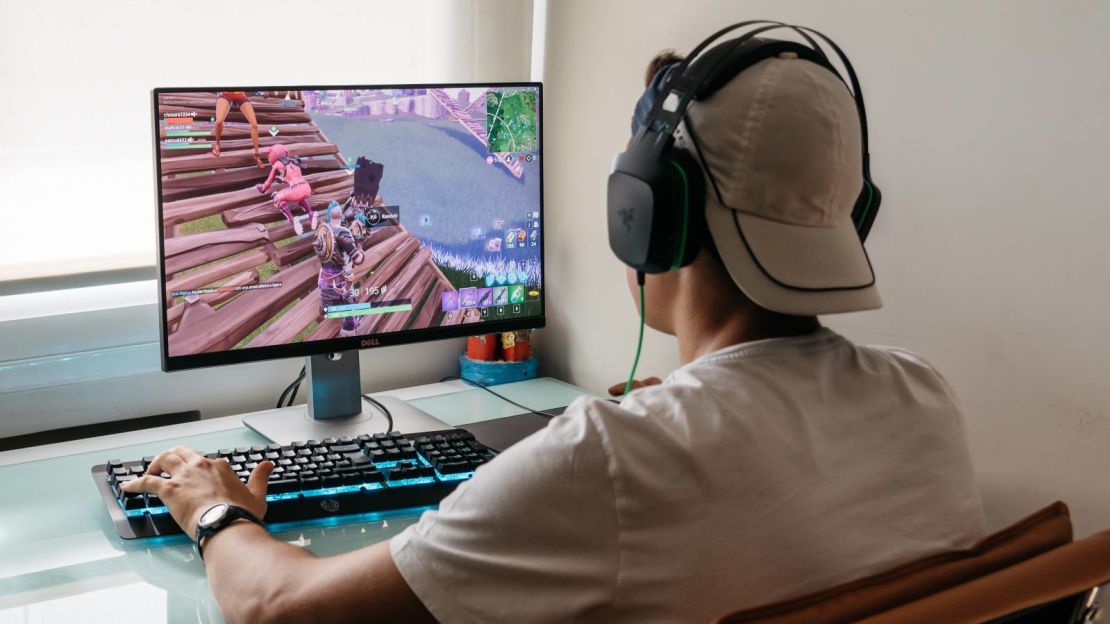
Unlocking Potential: How Video Games Enhance Problem-Solving Skills
Video games are often seen as mere entertainment, but recent research highlights their potential as effective tools for enhancing problem-solving skills. Engaging in complex gaming environments requires players to assess situations, develop strategies, and make quick decisions. For instance, puzzle-based games such as The Legend of Zelda or Portal challenge players to think critically and solve intricate problems to progress. As gamers navigate through various challenges, they practice skills like logical reasoning, pattern recognition, and adaptability, all of which are crucial for effective problem-solving in real-life scenarios.
Moreover, multiplayer online games provide a collaborative platform where players need to work together to overcome obstacles. This teamwork fosters communication and negotiation skills, further enhancing a player’s ability to approach problems from multiple perspectives. Studies have shown that individuals who actively engage in video gaming not only improve their cognitive abilities but also demonstrate greater creativity in solving real-world problems. By incorporating video games into educational settings, we can unlock a new dimension of learning, allowing students to sharpen their problem-solving skills while enjoying the immersive experience of gaming.
Counter-Strike is a popular tactical first-person shooter video game franchise that has captivated players worldwide. Known for its competitive gameplay, the series emphasizes teamwork and strategy as players engage in team-based combat. For gamers seeking the best gear to enhance their experience, check out the Top 10 apple vision pro head straps for added comfort during long gaming sessions.
From Virtual to Reality: Transferable Skills Gained Through Gaming
In today's digital age, gaming has evolved from a mere pastime into a platform for skill development. Many players don’t realize the transferable skills they are acquiring while immersed in their favorite virtual worlds. Games often require high levels of strategic thinking, problem-solving, and teamwork. For instance, multiplayer games foster cooperation and communication among players, as effective collaboration is crucial to achieving common goals. In these situations, gamers learn how to adapt their strategies on the fly, seamlessly transferring those tactics to real-life teamwork scenarios.
Moreover, gaming enhances critical skills such as time management and goal setting. Players frequently juggle multiple tasks, make quick decisions, and prioritize their objectives to succeed. This parallel to real-world situations, such as project management or meeting deadlines, cannot be overlooked. Furthermore, complex games often involve intricate storylines and characters, enhancing emotional intelligence and empathy as players navigate diverse perspectives. Thus, the skills acquired from virtual gaming experiences can seamlessly transition into one's professional and personal life, proving that virtual reality indeed fosters practical growth.
Can Gaming Improve Your Leadership Abilities?
In recent years, the intersection of gaming and personal development has sparked considerable interest, particularly regarding how gaming can enhance leadership skills. Engaging in multiplayer and strategy-based games often requires players to take on leadership roles, whether it’s directing a team in a mission or making crucial decisions that impact the outcome of the game. This role-playing element fosters essential skills such as communication, teamwork, and strategic thinking, which are vital for effective leadership. Furthermore, games often simulate real-world challenges, allowing players to practice their decision-making abilities in a risk-free environment.
Moreover, the competitive nature of gaming cultivates resilience and adaptability—two key traits of successful leaders. Players frequently encounter setbacks and must learn to adapt their strategies in response to evolving scenarios, akin to navigating challenges in the workplace. Gaming also encourages players to develop conflict resolution skills, as they must negotiate and collaborate with teammates to achieve shared objectives. By honing these skills through gaming, individuals not only prepare themselves for leadership roles but also gain confidence in their ability to lead effectively under pressure.