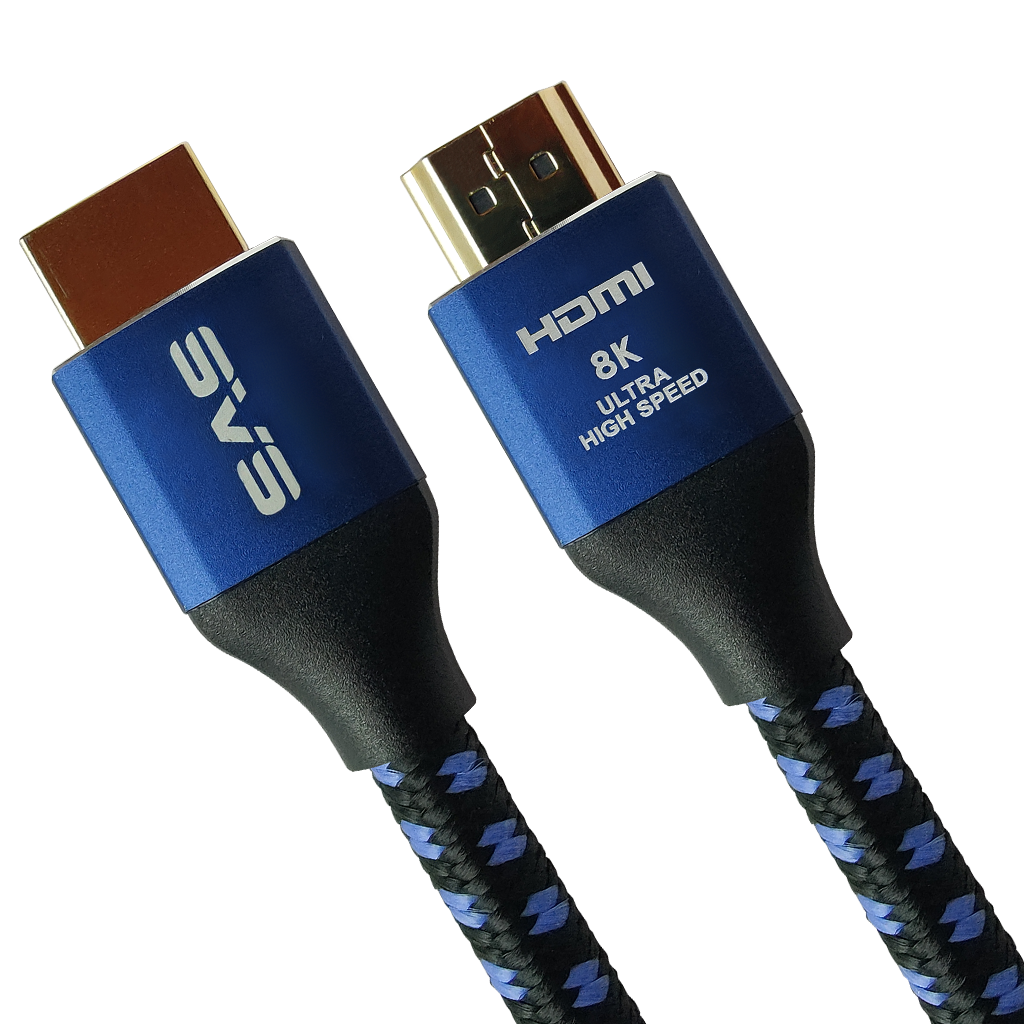
Understanding HDMI Cable Types: Which One is Right for Your Setup?
When setting up your home theater or gaming console, understanding the different types of HDMI cables is essential for achieving the best performance and compatibility. HDMI stands for High-Definition Multimedia Interface, and there are several types of cables designed to cater to various devices and resolutions. The most common types include Standard HDMI, High Speed HDMI, and Premium High Speed HDMI. Each of these cables has specific capabilities, such as supporting 4K resolution or advanced features like HDR (High Dynamic Range). Knowing these differences can help you choose the right cable for your specific needs, ensuring that you enjoy the best audio and video quality possible.
To make an informed decision, consider the devices in your setup and their video capabilities. For instance, if you’re connecting a 4K Ultra HD TV to a 4K Blu-ray player, a Premium High Speed HDMI cable is recommended to fully utilize the benefits of your devices. Additionally, be mindful of the cable length; longer cables may require amplifiers to maintain signal quality. Always look for cables that are HDMI 2.0 or higher for future-proofing your system and achieving the best performance. With a little understanding of these different HDMI cable types, you can easily select the right one for your home setup.
Counter-Strike is a highly popular first-person shooter game that has captivated players since its release. The game pits two teams, terrorists and counter-terrorists, against each other in various objective-based scenarios. For those looking to enhance their gaming experience, check out the Top 10 apple tv streaming accessories to ensure optimal performance and enjoyment while playing.
The Role of HDMI Cables in 4K and HDR Streaming: A Comprehensive Guide
When it comes to 4K and HDR streaming, the role of HDMI cables cannot be overstated. These cables are essential for transmitting high-definition video and audio signals between your streaming device, such as a smart TV or media player, and your display. With the increasing popularity of 4K resolution and HDR technology, it is crucial to ensure that your HDMI cables are capable of handling the data demands. Look for cables that support the HDMI 2.0 specification or higher, as they are designed to transmit 4K content at 60 frames per second and support higher color depth and brightness levels.
Moreover, understanding the different types of HDMI cables is important for optimal performance. Here are some key points to consider:
- Standard HDMI cables are adequate for 1080p video and lower resolutions.
- High-Speed HDMI cables support 4K resolution and can handle higher frame rates and enhanced color formats.
- Premium High-Speed HDMI cables are designed for both 4K at higher refresh rates and HDR content, ensuring you get the most out of your viewing experience.
In summary, selecting the right HDMI cable is a vital step in maximizing your 4K and HDR streaming capabilities, making it an integral part of your home entertainment setup.
Common HDMI Cable Myths Debunked: What You Need to Know
In the world of home entertainment, HDMI cables are often surrounded by a myriad of myths that can lead to confusion. One common misconception is that expensive HDMI cables provide significantly better picture and sound quality than their cheaper counterparts. The truth is that HDMI technology transmits data in a digital format, meaning that as long as the cable meets the required specifications, the quality will remain consistent regardless of price. According to experts, a well-made, reasonably-priced HDMI cable can deliver the same performance as a high-end version, debunking the myth that premium pricing equates to superior quality.
Another prevalent myth is that longer HDMI cables necessarily degrade signal quality. While it's true that very long runs can potentially cause issues, most standard HDMI cables can easily handle lengths of up to 25 feet without any noticeable loss in performance. To go beyond that length without degrading the signal, using HDMI extenders or high-quality active cables can help maintain optimal performance. This highlights the importance of being informed about HDMI cables and their capabilities instead of relying on hearsay and myths.