5 Futuristic Gadgets That Are Straight Out of a Sci-Fi Film
As technology advances at an unprecedented pace, many gadgets that once seemed to belong only in science fiction films are now becoming a reality. Here are 5 futuristic gadgets that are straight out of a sci-fi film:
- Smart Contact Lenses: Imagine having the capability to access information directly through your eyes. Smart contact lenses can provide augmented reality (AR) experiences, allowing wearers to see digital overlays in their real-world view.
- Holographic Displays: While holograms have been a staple in sci-fi storytelling, innovative companies have begun developing 3D holographic displays that can project vibrant images into space, making presentations and visual experiences more immersive than ever.
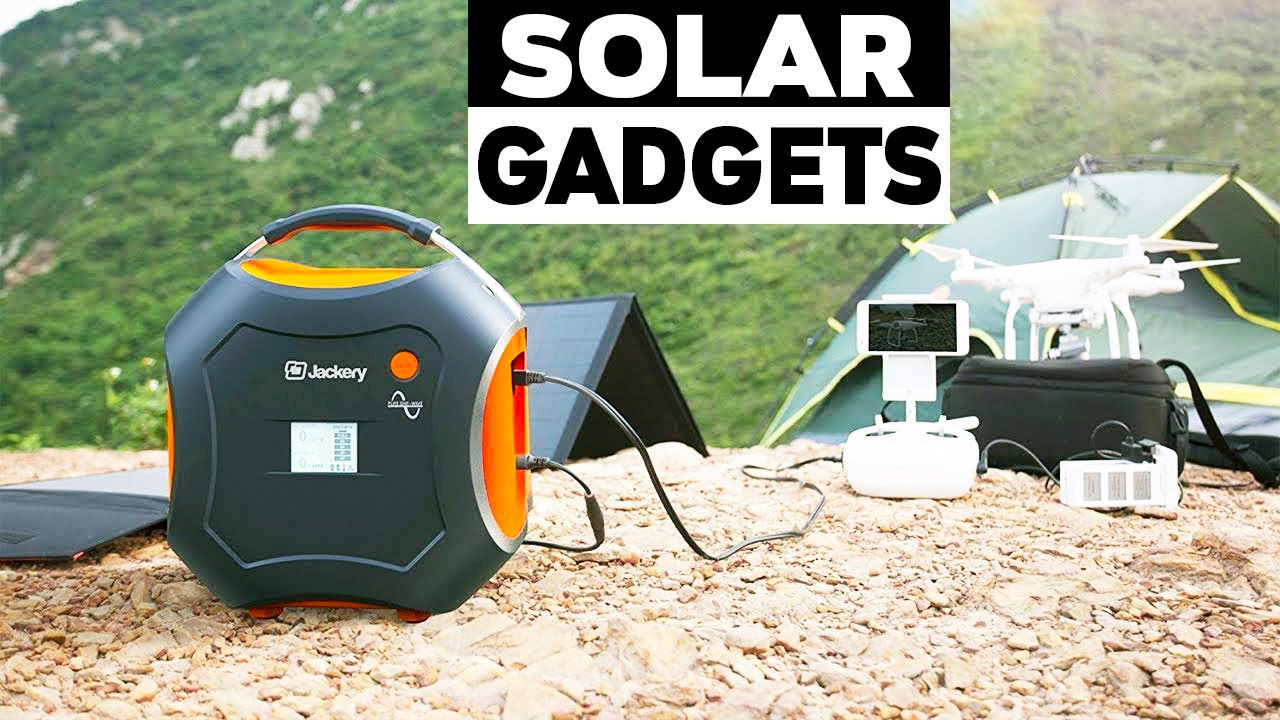
Counter-Strike is a popular team-based first-person shooter that has captivated gamers since its inception. Players engage in tactical combat, working together to complete objectives or eliminate the opposing team. To further enhance your gaming experience, consider exploring resources like the Top 10 charging stations that can help keep your devices powered during intense gaming sessions.
Is This the Future? Gadgets That Will Change How We Live
As technology continues to evolve at an unprecedented pace, gadgets that will change how we live are becoming more prevalent in our daily lives. Imagine smart home devices that learn your routines and adjust your environment accordingly. With innovations like voice-activated assistants and automated lighting systems, our living spaces are becoming increasingly intuitive. These gadgets not only enhance convenience but also contribute to energy efficiency, helping us reduce our carbon footprint. The question remains: Are we ready to embrace a future in which our homes are smarter than ever before?
Moreover, the future of personal health is being shaped by wearable devices that monitor our physical conditions and provide real-time feedback. Gadgets like fitness trackers and smartwatches are not just trends; they are revolutionizing how we approach wellness by promoting healthier lifestyles and preventive care. By analyzing data on heart rates, sleep patterns, and even stress levels, these devices empower users to take charge of their health in ways that were previously unimaginable. As we stand on the cusp of these advancements, one has to wonder: how will these innovations further influence our everyday lives?
10 Mind-Blowing Gadgets That Make You Question Reality
In today's rapidly evolving technological landscape, gadgets are becoming increasingly sophisticated, pushing the boundaries of our understanding of reality. From augmented reality headsets that blur the line between the virtual and the physical to smart assistants that anticipate our needs, these devices challenge our perception of what is possible. Here are 10 mind-blowing gadgets that will leave you questioning the nature of reality:
- Virtual Reality Headsets: Experience immersive worlds where the only limit is your imagination.
- Smart Glasses: Wearable technology that displays information right before your eyes, merging reality with digital enhancements.
- AI-Powered Robots: From robotic companions to AI chefs, these gadgets redefine our interaction with technology.
- 3D Printers: Transform digital designs into tangible objects, making the creation process feel almost magical.
- Smart Home Devices: Control every aspect of your home environment with just your voice or a tap on your smartphone.
- Holographic Displays: Create lifelike 3D images that you can view from any angle without special glasses.
- Wearable Health Monitors: Gadgets that track your health metrics in real-time, making you more aware of your physical state.
- Drones: Aerial devices that allow you to capture stunning images, often providing perspectives previously thought unreachable.
- Brain-Computer Interfaces: Emerging technology that enables direct communication between your brain and external devices.
- Quantum Computing Devices: These cutting-edge machines perform calculations that were once considered impossible, reshaping our understanding of computing.