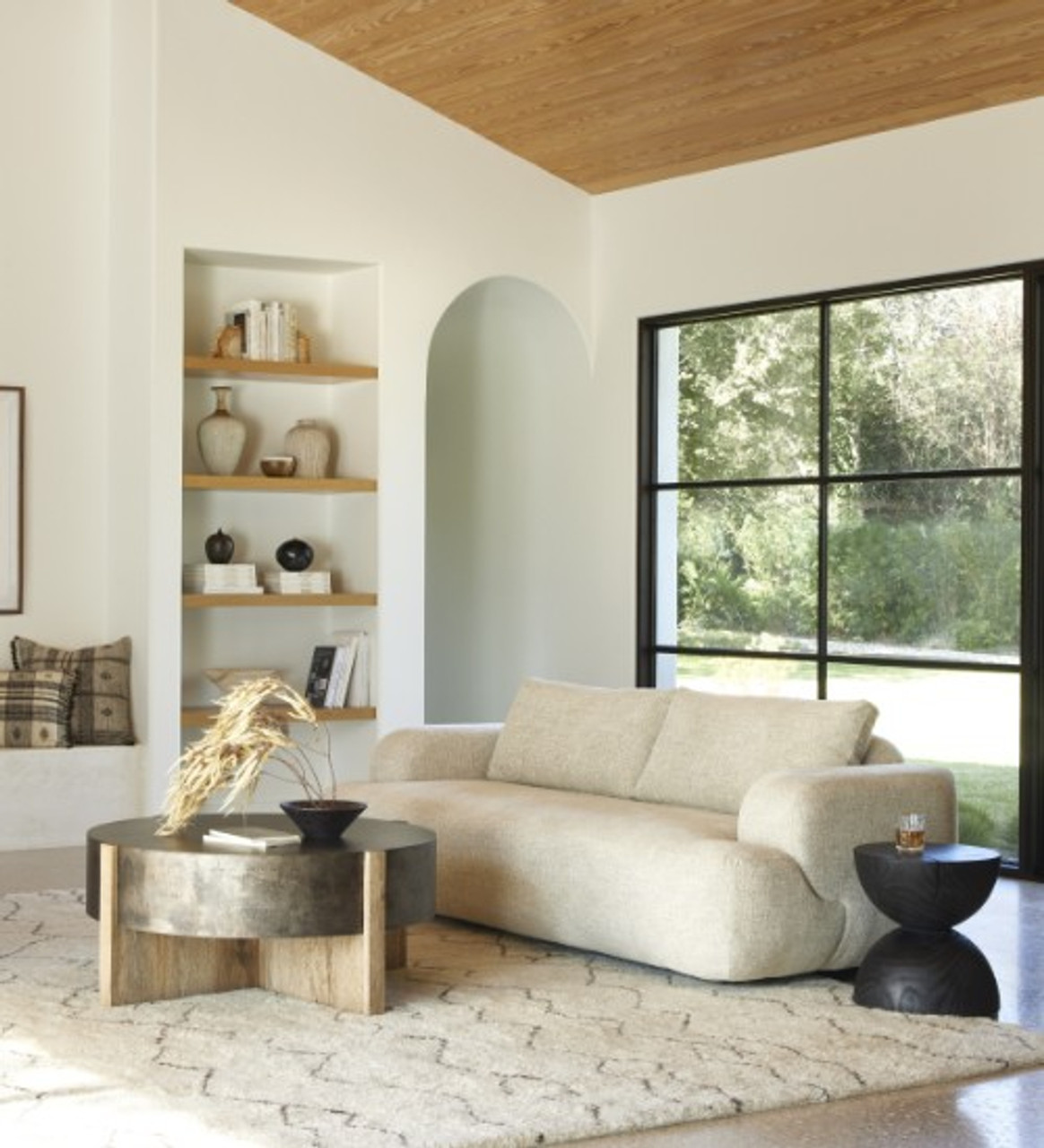
The Art of Upcycling: How Vintage Furniture Becomes Timeless Treasures
In a world increasingly focused on sustainability, upcycling has emerged as a creative solution to wastefulness. Vintage furniture plays a pivotal role in this transformative art, as it allows artisans and DIY enthusiasts to breathe new life into neglected pieces. By reimagining original designs and incorporating modern elements, these expertly restored items not only retain their historical charm but also adapt to contemporary aesthetics. From refinishing surfaces to repurposing components into entirely new designs, the possibilities are vast, making each restored piece a unique treasure.
The process of upcycling vintage furniture transcends mere aesthetics; it's an ethical statement that prioritizes sustainability over consumerism. By choosing to refurbish instead of discard, you contribute to a circular economy while also embracing individuality in your home decor. Timeless treasures created through upcycling often tell a story of craftsmanship and history, prompting admiration and conversation. Whether it’s a mid-century modern chair reupholstered in contemporary fabric or an antique dresser transformed into a stylish media console, the art of upcycling ensures that each piece serves as a stunning focal point in any space.
Counter-Strike is a highly popular tactical first-person shooter that pits teams of terrorists against counter-terrorists in various objective-based game modes. The game emphasizes teamwork, strategy, and precision, making it a favorite among competitive gamers. For those looking to enhance their gaming experience, consider checking out the Top 10 Home Office Essentials to create the perfect setup.
Exploring Cultural Influences in Modern Furniture Design: What Stories Do They Tell?
Modern furniture design is not just about aesthetics; it's a narrative woven from cultural influences that speak to our collective history and experiences. Designers today draw inspiration from various traditions, materials, and techniques, creating pieces that encapsulate the essence of different cultures. For instance, the sleek lines of Scandinavian furniture often reflect an ethos of simplicity and functionality influenced by Nordic lifestyles, while vibrant colors and intricate patterns in Mediterranean designs tell stories of sun-soaked landscapes and communal gatherings.
The stories told through modern furniture are a reflection of global interconnectedness. As artisans incorporate elements from diverse cultures, they create a dialogue between the past and the present, inviting us to appreciate the significance of cultural heritage. By examining these influences, we witness the evolution of style—from the angular forms of Japanese minimalism to the lavish opulence inspired by Middle Eastern designs. Each piece not only serves a practical purpose but also carries with it a legacy of craftsmanship and cultural storytelling that enriches our living spaces.
What Makes a Piece of Furniture Unique? Discover the Elements of Design That Speak Volumes
Every piece of furniture has its own story, shaped by a combination of design elements that contribute to its uniqueness. Factors such as materials used, color, and craftsmanship play a crucial role in defining a piece's character. For instance, reclaimed wood furniture not only showcases a rustic charm but also tells tales of its prior existence, while contemporary designs featuring metal accents may convey a sleek, modern aesthetic. Additionally, the functionality of a piece — whether it's a multi-purpose ottoman or a chic coffee table — can also add layers to its uniqueness, allowing it to serve specific needs while enhancing the overall appeal of a space.
Moreover, the design style significantly influences how a piece resonates with its environment. From minimalist Scandinavian designs that emphasize simplicity to bold Art Deco pieces that exude extravagance, each style brings a distinct personality to the furniture. Customization further enhances uniqueness, allowing individuals to select finishes, colors, and fabrics that reflect their personal taste. Even the ergonomics of a furniture piece can set it apart; a well-designed chair not only offers comfort but also becomes a visual statement, illustrating how thoughtful design transcends mere functionality.